The story of John Harrison
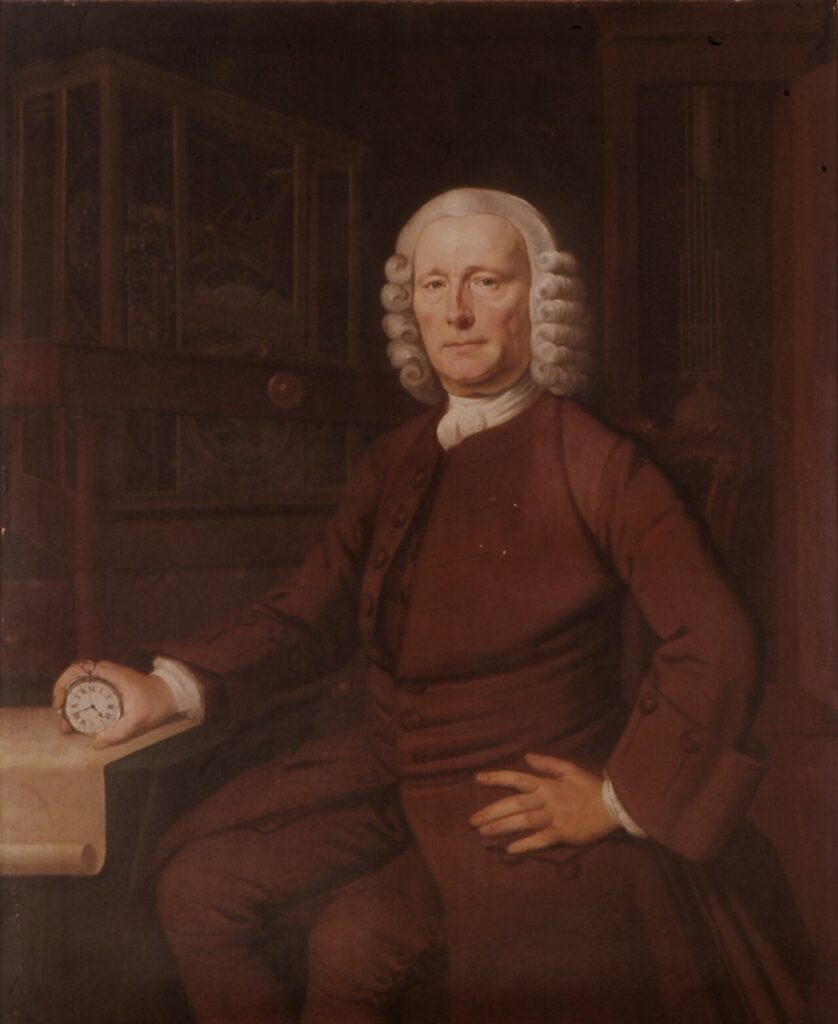
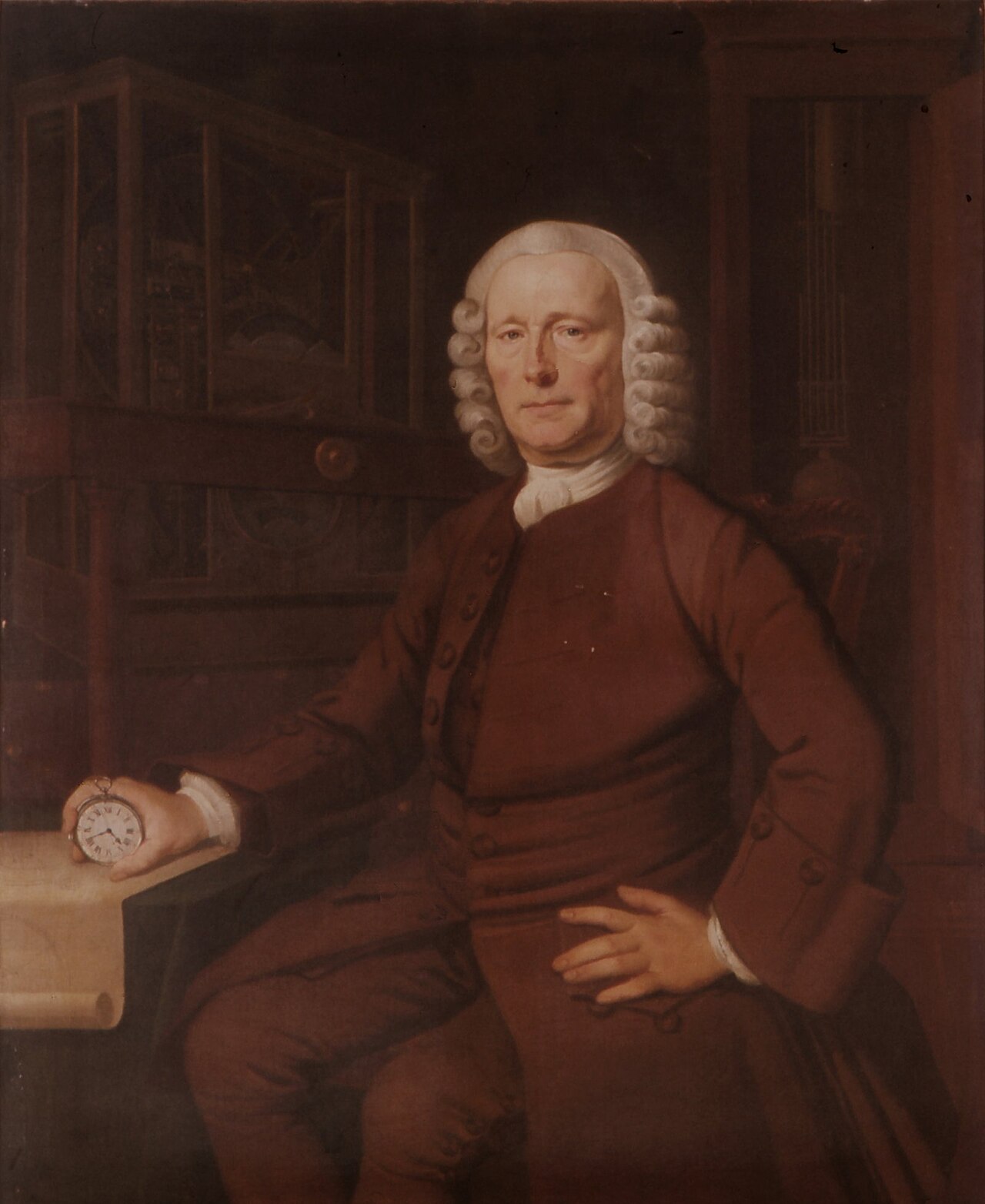
John Harrison (1693-1776) was an English joiner and self-taught clockmaker, born in Foulby in the West Riding of Yorkshire. He built his first longcase clock in 1713, at the age of 20. Responding to the 1714 Longitude Act, which offered rewards of up to £20,000 for a practical way of finding longitude at sea, he spent decades building a series of marine timekeepers: H1, tested on a voyage to Lisbon in 1736; H2, ready in 1741; and H3, which took about seventeen years and introduced the bimetallic strip and the caged roller bearing. His fourth design, H4, was a large “sea watch” that took six years to build. On its 1761 trial voyage from Portsmouth to Jamaica aboard HMS Deptford it was about five seconds slow on arrival, and on a second trial to Barbados in 1764 it kept time to within 39 seconds.
Political disputes with the Board of Longitude meant Harrison never received the prize as such, though he was paid £23,065 in total, including £8,750 from Parliament in 1773. He died in London in 1776. His work solved the longitude problem and laid the foundations of the marine chronometer. The restored H1 to H4 are displayed at the Royal Observatory, Greenwich, where H1, H2 and H3 still run while H4 is kept stopped; his later H5 belongs to the Worshipful Company of Clockmakers and has been shown at the Science Museum in London since 2015. Harrison is a person rather than a watch brand, and no company produces watches under his name.


Ludvig Scheja
Ludvig Scheja is the co-founder and Creative Director of TRIWA. He leads the Swedish brand’s mission to transform horology through sustainable, circular design.
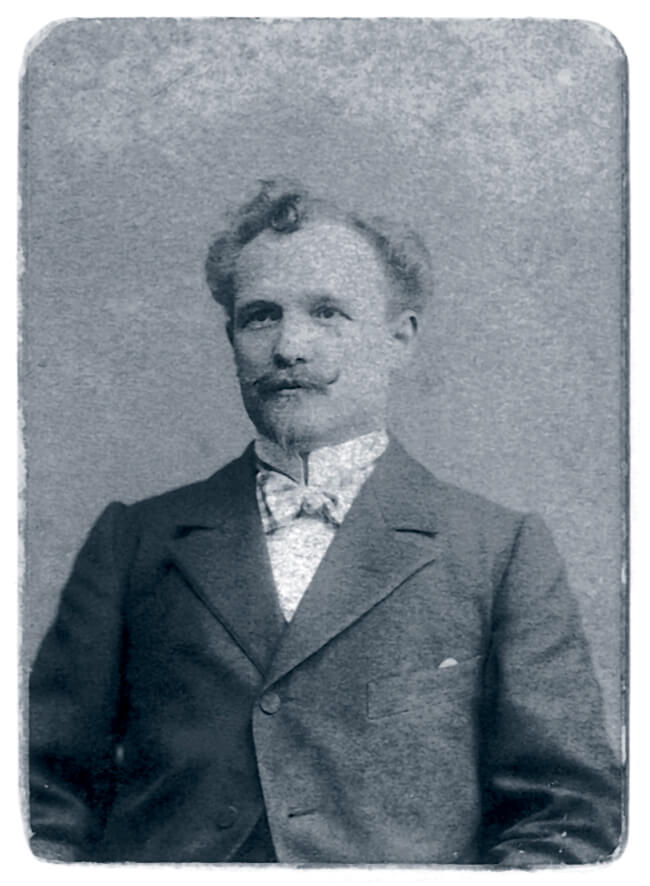

Léon Breitling
Léon Breitling founded the Breitling watch brand in 1884, specializing in precision chronographs and innovative technical tools for science and industry.


Sergio Godoy Di Renzo
Sergio Godoy Di Renzo is the Argentinian architect and designer who founded Direnzo Watches in Geneva, creating neo-vintage pieces inspired by mid-century style.


Whitney Weiss
Whitney Weiss is the co-founder and executive of the Weiss Watch Company. She directs the brand's commercial strategy and creative vision from their Nashville atelier.
Find the watch that carries their story.
Watch Explorer lists every watch on Watcheers with its full spec sheet. Filter by brand, size, material and budget.