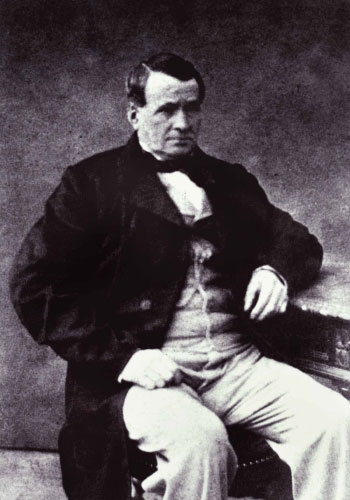
Thierry Hermès
Thierry Hermès founded the iconic French house in 1837. His legacy of elite leather craftsmanship and precision laid the foundation for the brand's 1928 entry into luxury horology.
- Brand
- Hermès
- Brand founded
- 1837
The story of Thierry Hermès
Thierry Hermès was a pioneering French saddler and entrepreneur whose foundational work in the 19th century established the legacy of the global luxury house that bears his name. Born on January 10, 1801, in Krefeld, Germany—then part of the French First Republic—to a French father and a German mother, Hermès was raised in a period of significant geopolitical transition. Following the loss of his family during the Napoleonic Wars, he relocated to France in 1828, settling in Pont-Audemer, Normandy. This region, renowned for its leather production, provided the setting for his apprenticeship as a saddler and harness maker.
In 1837, Hermès moved to Paris and established his own workshop on Rue Basse-du-Rempart. His business initially specialized in the manufacture of high-quality horse harnesses and bridles, catering to the European nobility and the carriage trade. He distinguished himself through technical precision and a commitment to durability, famously utilizing the “saddle stitch”—a hand-sewing technique involving two needles and waxed linen thread that remains a hallmark of the brand’s leatherwork today. His innovations were recognized at the highest levels of industry, earning him a first-class medal at the 1855 Universal Exhibition and a gold medal at the 1867 Universal Exhibition in Paris.
Under his leadership, the Hermès name became synonymous with elite craftsmanship, attracting high-profile clients such as Emperor Napoleon III. While Thierry Hermès focused primarily on equestrian equipment, his dedication to quality laid the essential groundwork for the brand’s future diversification. After his death on January 10, 1878, in Neuilly-sur-Seine, management passed to his son, Charles-Émile Hermès, who moved the shop to its iconic location at 24 Rue du Faubourg Saint-Honoré and expanded the product line into saddlery and retail.
The transition into horology, which connects his name to the modern Hermès watch brand, occurred in the generations following his tenure. In 1928, under the leadership of his grandson Émile-Maurice Hermès, the house introduced its first watches, initially through collaborations with Swiss manufacturers like Movado. This evolution from harnesses to luxury accessories and precision timepieces was fueled by the same principles of functional beauty and technical excellence that Thierry Hermès first established in his Parisian workshop. Today, Thierry Hermès is remembered as a master artisan whose vision of luxury through craftsmanship transformed a small workshop into one of the world’s most enduring symbols of French refinement.

Hermès Cape Cod 1991
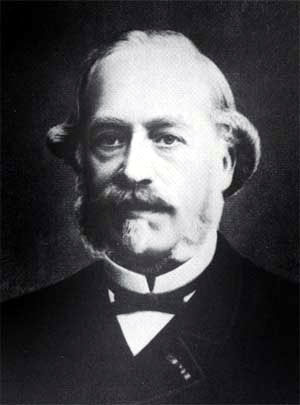

Jean Adrien Philippe
Jean Adrien Philippe (1815–1894) was a French horologist and co-founder of Patek Philippe. He revolutionized watchmaking by inventing the keyless winding mechanism.
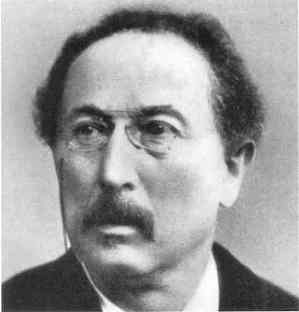

Maurice Ditisheim
Maurice Ditisheim was a Swiss watchmaker who founded Vulcain in 1858. He gained international fame for his precision pocket watches and complicated timepieces.
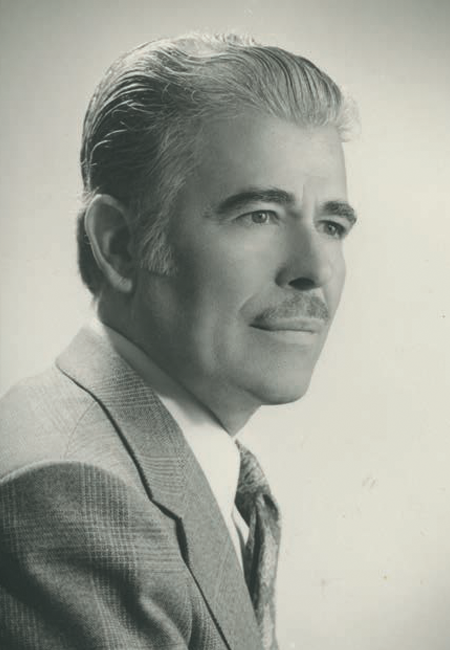

Henry Louis Belmont
Henry Louis Belmont was the visionary founder of Yema and a pioneer in French horology. He led the brand to global success through iconic tool watch designs.
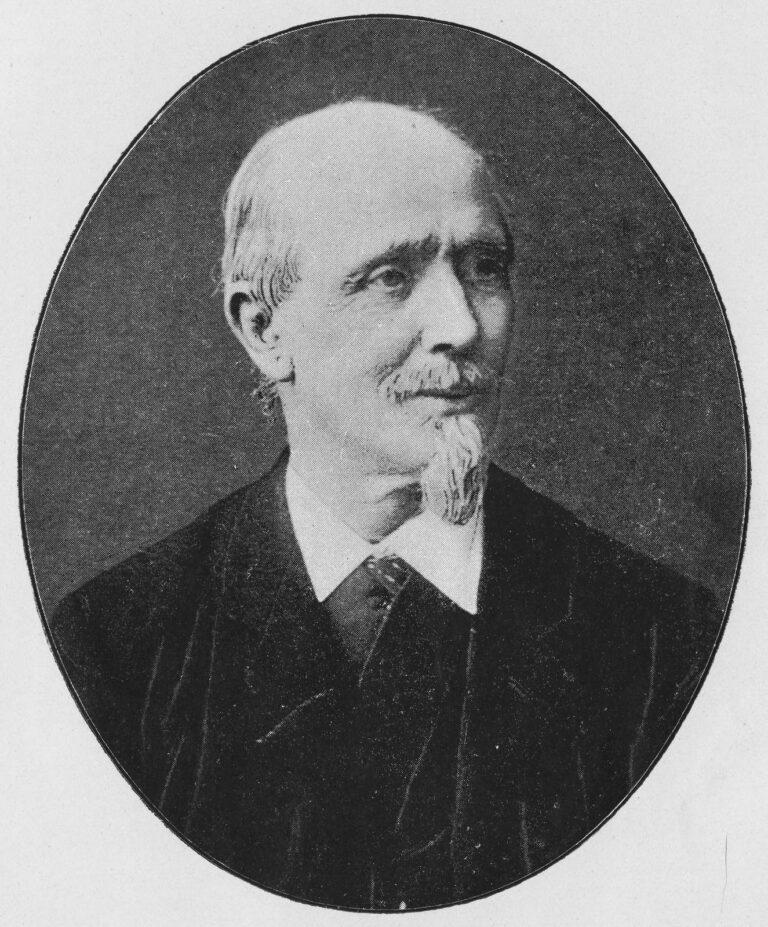

Moritz Grossman
Moritz Grossmann (1826–1885) was a German watchmaker and founding father of Glashütte horology. He founded the German School of Watchmaking in 1878.
Find the watch that carries their story.
Watch Explorer lists every watch on Watcheers with its full spec sheet. Filter by brand, size, material and budget.