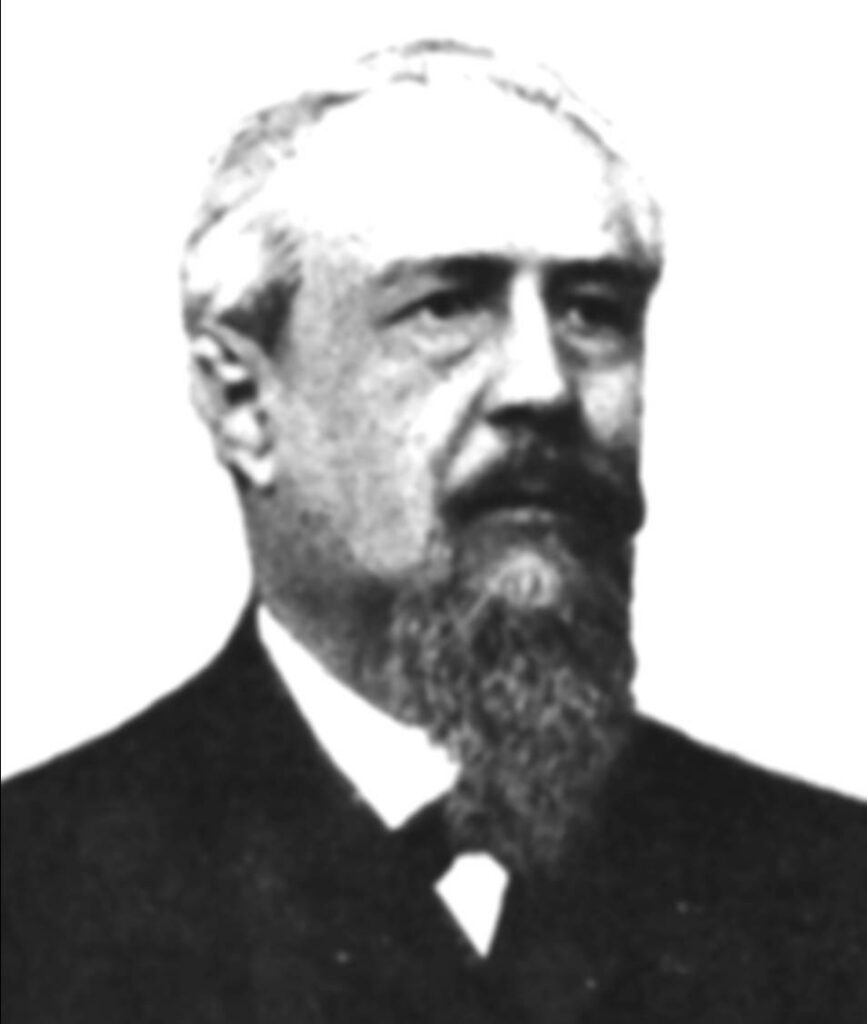
Julius Assmann
Julius Assmann was a founding father of Glashütte watchmaking. In 1852, he established his manufacture, creating precision watches that define the brand today.
- Lived
- 1827–1886
- Brand
- Glashütte Original
- Brand founded
- 1994
The story of Julius Assmann
Julius Assmann (1827–1886) was a pivotal figure in the development of the German watchmaking industry and is recognized as one of the four “founding fathers” of horology in Glashütte. His legacy is directly preserved today through Glashütte Original, the legal successor to the state-owned enterprise that later consolidated the region’s historic manufactures.
Born Julius Carl Friedrich Assmann on October 2, 1827, in Stettin, he began his horological journey as an apprentice in his hometown. He later moved to Berlin to refine his skills under specialized chronometer makers. In 1850, Assmann relocated to Glashütte to work for Ferdinand Adolph Lange, the man credited with establishing the town’s watch industry. Assmann initially served as a foreman, filling a technical vacancy left by Adolf Schneider.
In 1852, encouraged by Lange, Assmann established his own manufacture, the Julius Assmann Deutsche Präzisions-Taschenuhren-Fabrik. His company specialized in high-quality precision pocket watches that quickly gained international acclaim. Within two years of founding, his timepieces incorporated signature Glashütte elements, such as the three-quarter plate and crown-winding mechanisms. Assmann’s watches were particularly noted for their accuracy and were frequently exported to markets in South America and beyond.
Assmann’s personal life was closely intertwined with the Glashütte watchmaking elite. After the death of his first wife, Emilie Auguste Schneider, he married Marie Antonie Lange, the eldest daughter of Ferdinand Adolph Lange, in 1865. His son, Paul Assmann, also became a prominent figure in the industry, contributing to the international reach of the brand.
Beyond manufacturing, Assmann was a dedicated educator and community leader. He played a central role in founding the German Watchmaking School in Glashütte in 1878 and was elected its chairman in 1885. His commitment to standardized measurements and technical training helped transform Glashütte from a struggling mining town into a world-class center for precision engineering.
Julius Assmann died on August 15, 1886. Following his death, his company continued to operate until the economic upheavals of the early 20th century. In the modern era, Glashütte Original honors his contributions through the “Julius Assmann” collection, a series of limited-edition masterpieces that utilize traditional Saxon techniques, such as hand-engraved balance cocks and screwed gold chatons, to commemorate his role in German horological history.

Adolf Schneider
Adolf Schneider was a founding father of Glashütte watchmaking. A pioneer and educator, his legacy lives on through the prestigious Glashütte Original brand.
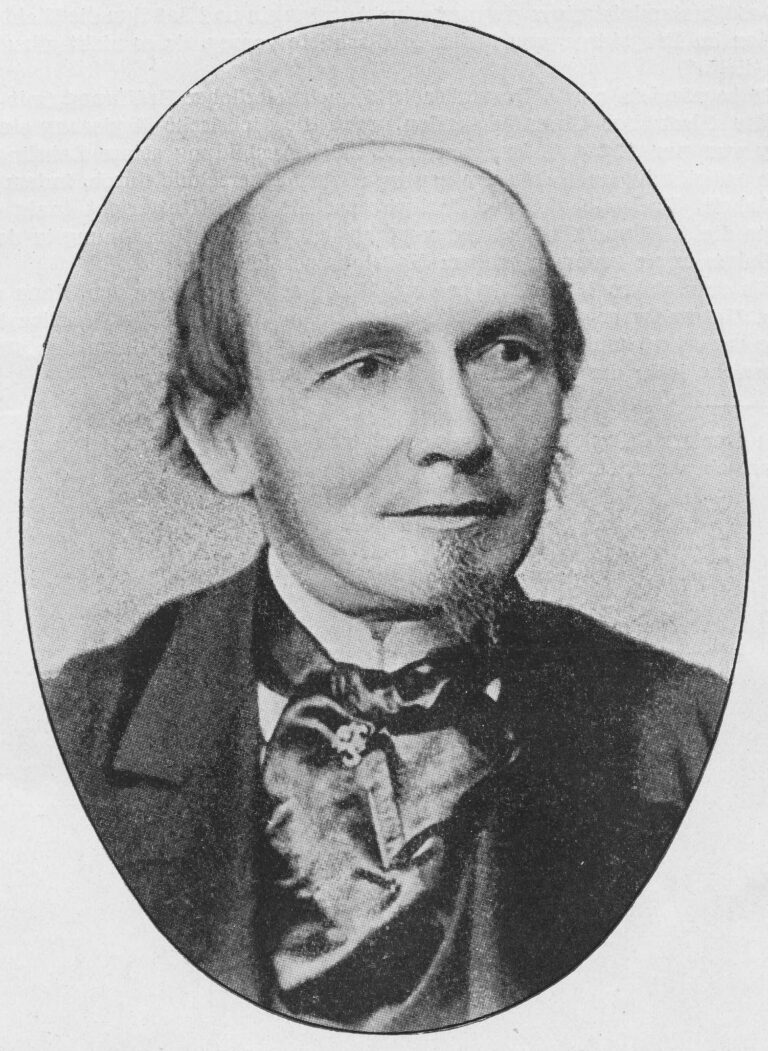

Ferdinand Adolph Lange
Ferdinand Adolph Lange (1815–1875) was a German watchmaker who founded the Glashütte industry. His legacy of precision persists through Glashütte Original.
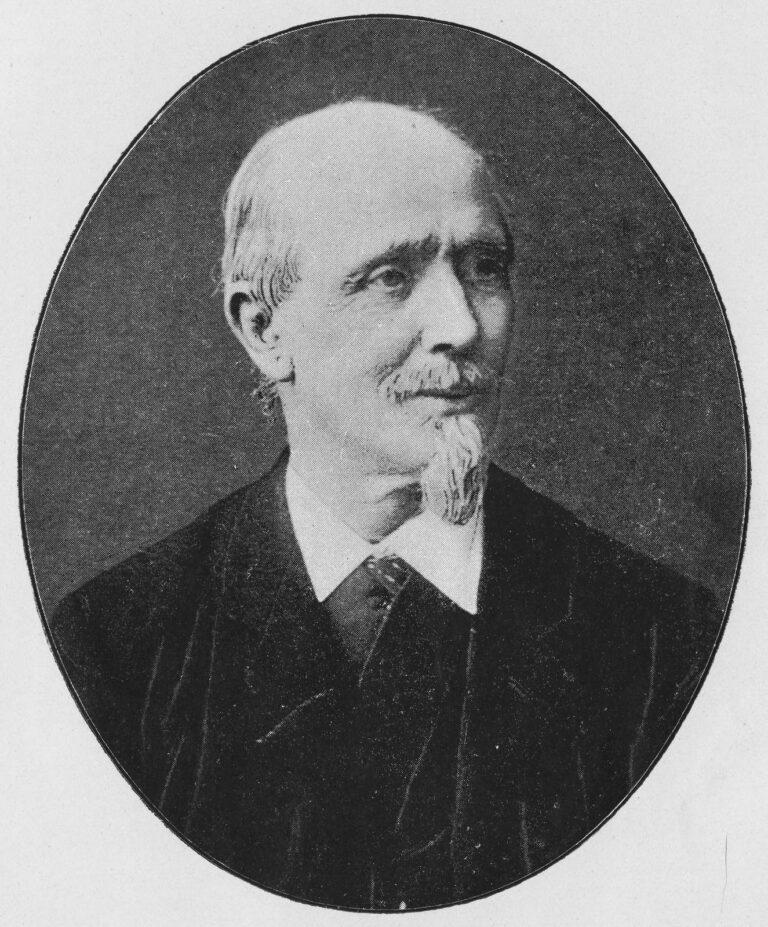
Moritz Grossman
Moritz Grossmann (1826–1885) was a German watchmaker and founding father of Glashütte horology. He founded the German School of Watchmaking in 1878.
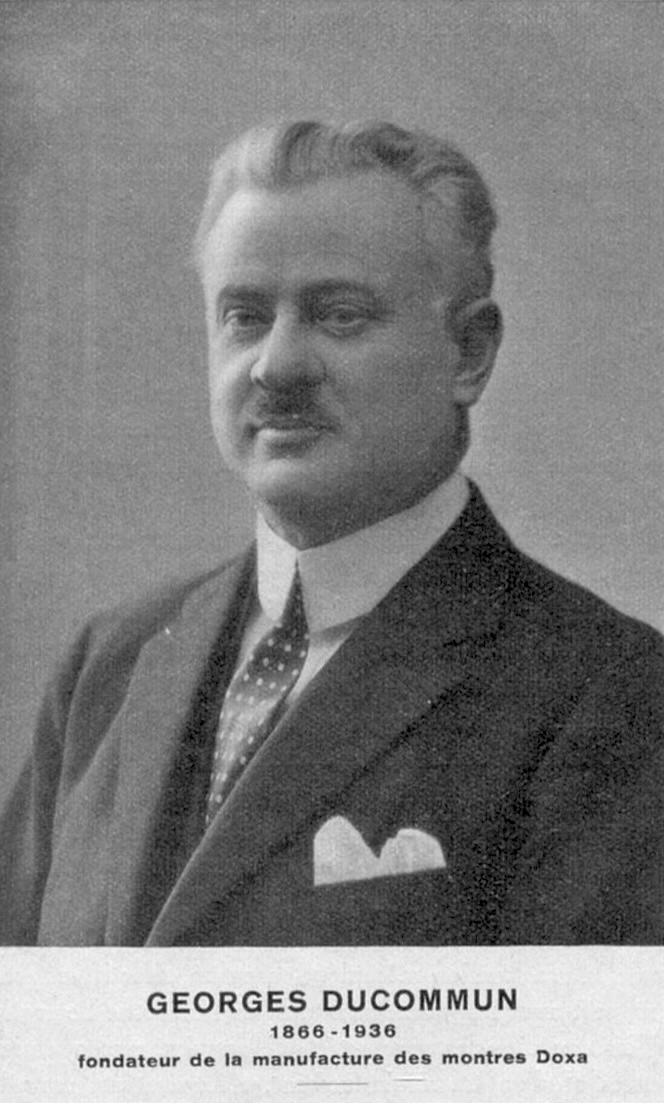

Georges Ducommun
Georges Ducommun founded Doxa in 1889. A Swiss watchmaker, he patented the 8-Day caliber used by Bugatti, establishing a legacy of precision and utility.
Find the watch that carries their story.
Watch Explorer lists every watch on Watcheers with its full spec sheet. Filter by brand, size, material and budget.